
Let’s Get Free

LU 2023 Freedom School Promotional Video

I owe a big part of my early political education to a Freedom School. In 2001, at age 18, I was a student in the Tyree Scott Freedom School organised by Seattle’s Youth Undoing Institutional Racism, and the experience was deeply formative. I had already been a member of the isangmahal arts kollective for years, a teenage artist-activist making spaces for Filipinx voices and voices of colour with other youth mentors and role models, and had co-founded the youth branch of the organisation which would eventually evolve into Youth Speaks Seattle. However, I had not yet been exposed to the possibilities of liberation pedagogy, or education as a means of freeing, rather than inculcating, the mind.

My Freedom School Summer was the first time I had entered an explicitly anti-racist educational space. I remember in particular taking workshops on understanding structural privilege and the history/present of Palestinian occupation. This critical exposure to geopolitical power dynamics was especially relevant in a Seattle that, only two years prior, had taken to the streets to protest the World Trade Organisation Ministerial Conference 1999. Although I wasn’t permitted to join the protests (thanks Mom for keeping me safe at home), the spirit of radical resistance against what we might now call racial capitalism resonated throughout the city, and the momentum of social movements at the turn of the new millenium was galvanizing.

That same summer, the community of Asian and Pacific Islander artists with whom I collaborated hosted the first Asian Pacific Islander American Spoken Word and Poetry Summit, a groundbreaking conference that shaped the trajectory for an anti-racist spoken word and poetry movement to usher in the 21st century. My sharp memories of the Freedom School Summer, such as doing the ‘privilege walk’, inviting my newfound friends back to my housing complex to hang out, and later protesting swimming pool racism, are intertwined with memories of huddling up with other young women poets as the artists on stage wove us together with song, and spilling onto the streets of the International District listening to APIA poets interrogate, dissect and deconstruct toxic and violent histories of colonial militarism, and examine the complex resilience and determination to survive it produced, in their and their families’ countries of origin. Moments like this gave me my first taste of freedom from the systems of oppression that have, decolonial scholars remind us, existed since the modern era began with Columbus and his men landing in the Caribbean in 1492.

In these settings, I knew I was wanted and welcome, body, mind and soul. The connection and community I experienced there set my life’s bar for what freedom felt and looked like. This community wanted what I had to give, and its gifts were transformative. It is from these origins that I came to co-create the Building the Anti-Racist Classroom Collective, which from 2018-2021 designed and delivered a series of anti-racist educational workshops (#BARCworkshop) which developed new teaching and learning methods, and established intergenerational support systems, for anti-racists at work in higher education. We imagined such spaces, and knew they were possible, but entirely too rare. So when the Pro-Vice Chancellor for Research at Loughborough University asked me in early 2022 what I would like to make happen using a budget from the Research Culture Fund, I did not hesitate in saying I wanted to create a Freedom School in order to grow the anti-racist and decolonial knowledge base and skill level of the University community.

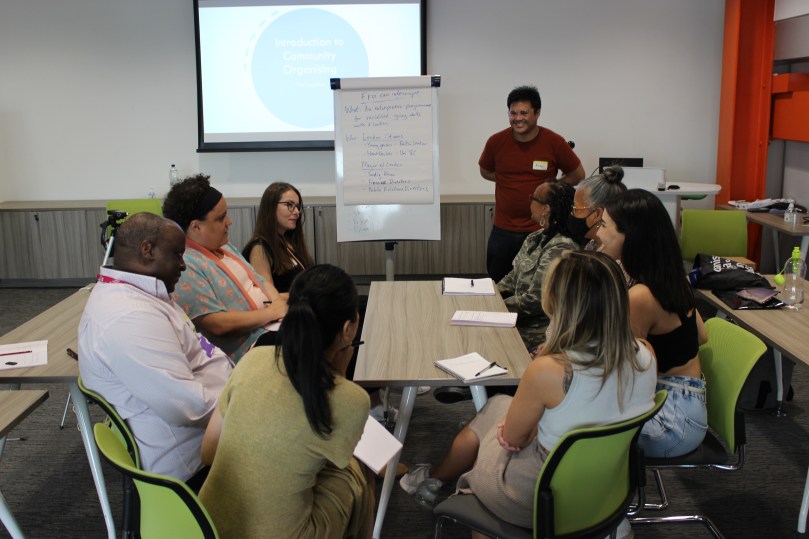
Building on focus groups with Loughborough Doctoral Researchers (DRs) from backgrounds of colour where they highlighted a hostile, institutionally racist research environment, I partnered with Dr Addy Adelaine, CEO of knowledge creation and sharing organisation Ladders4Action, doctoral researchers Rhianna Garrett and Iman Khan, and Nottingham artists Emily Catherine and Thomas Higgins, to generate a pilot Freedom School benefiting Loughborough DRs. We co-created this in collaboration with Black, Asian, and Minority Ethnic (BAME) DRs, who were compensated fairly for their time and expertise, and ran two pilot workshop days in July 2022, across the Midlands and the London campuses.

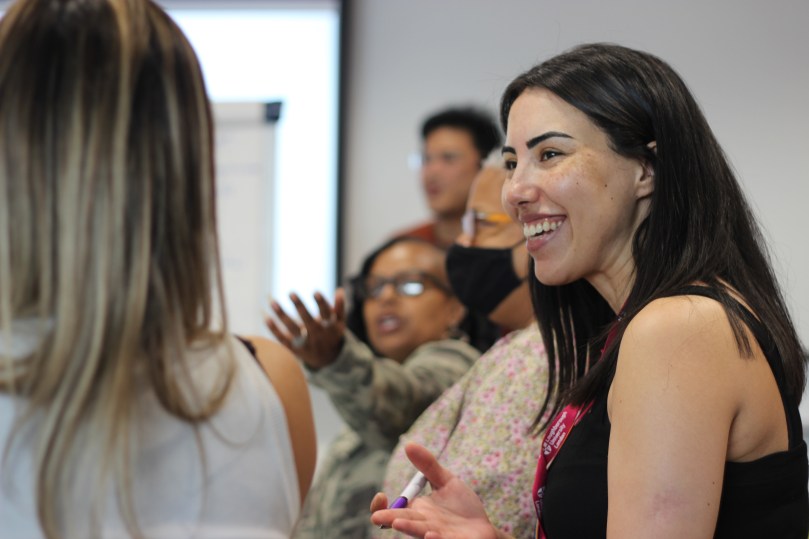
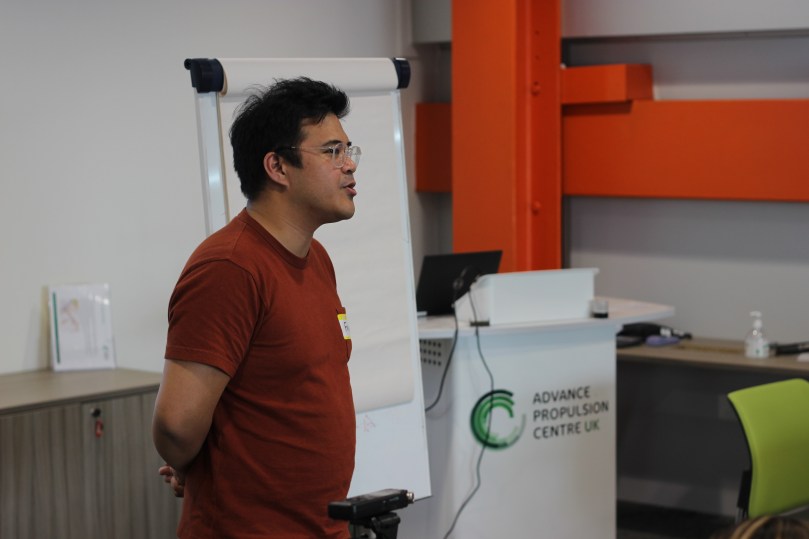
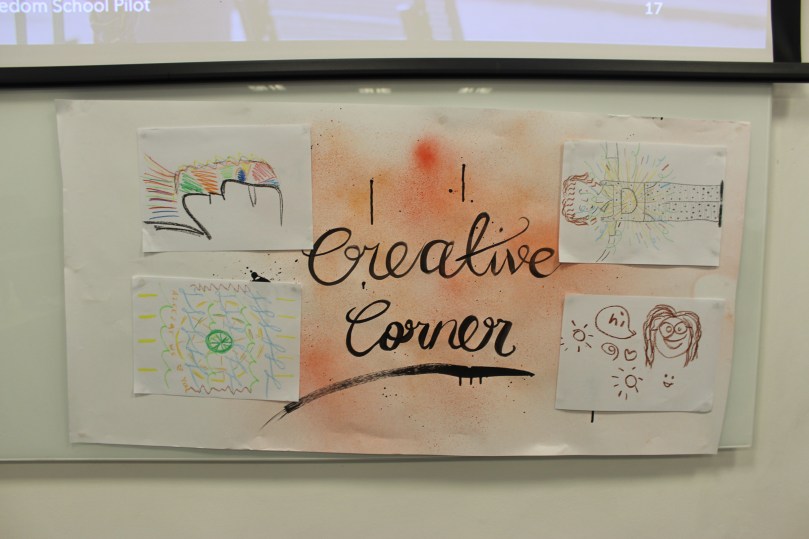
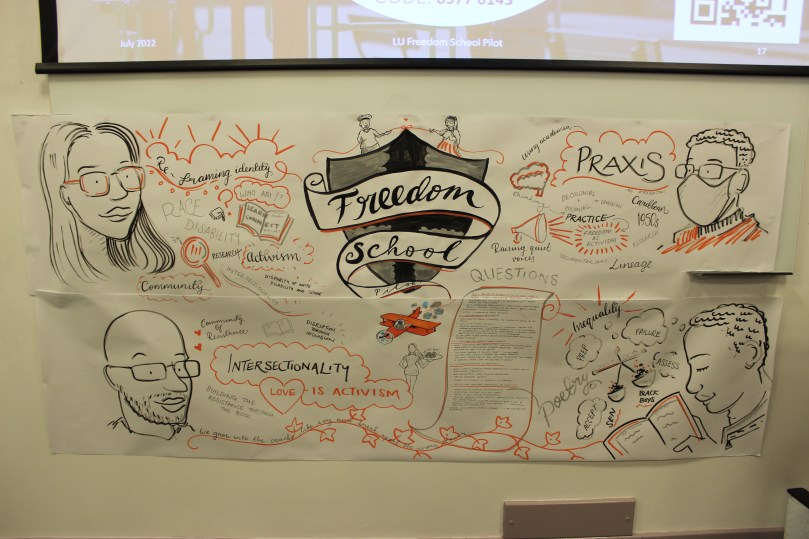
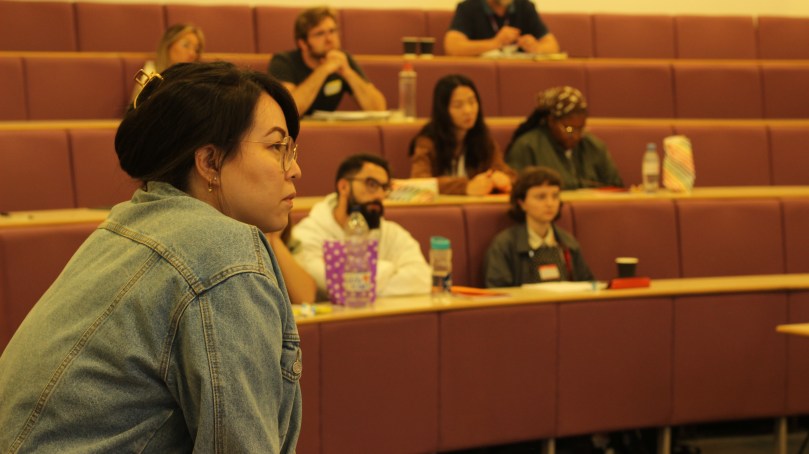
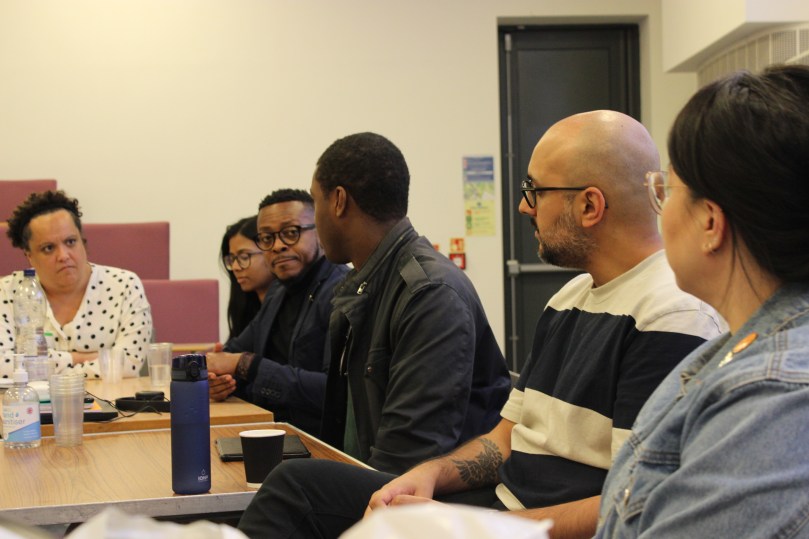
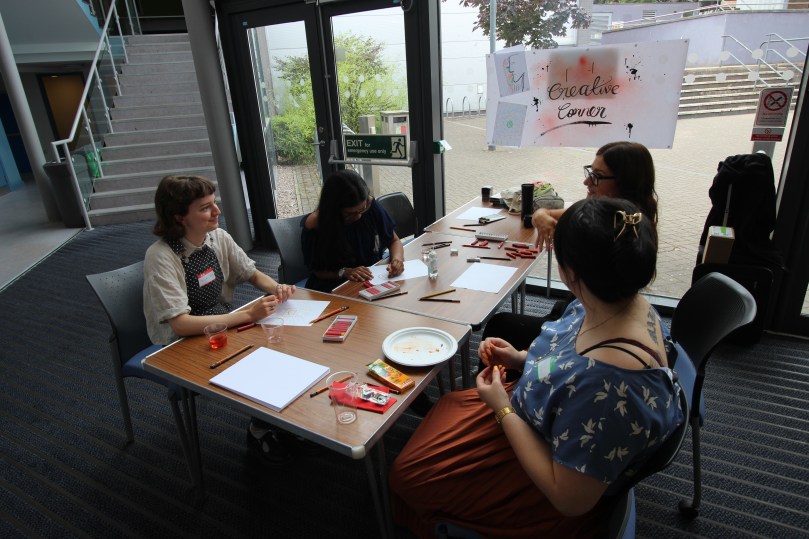
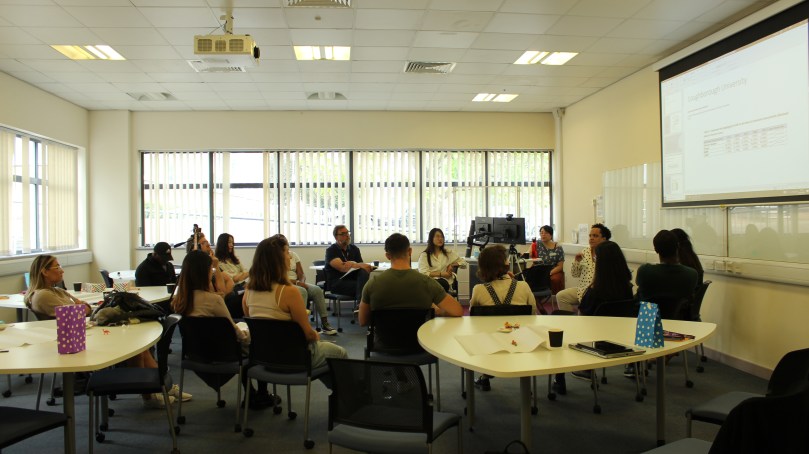
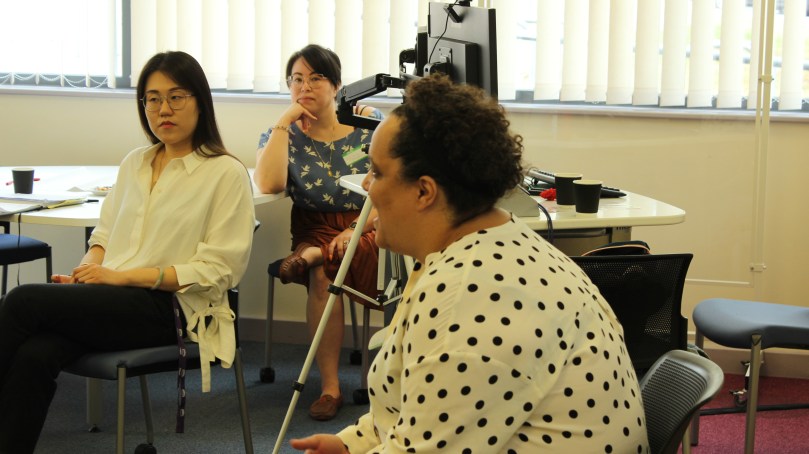
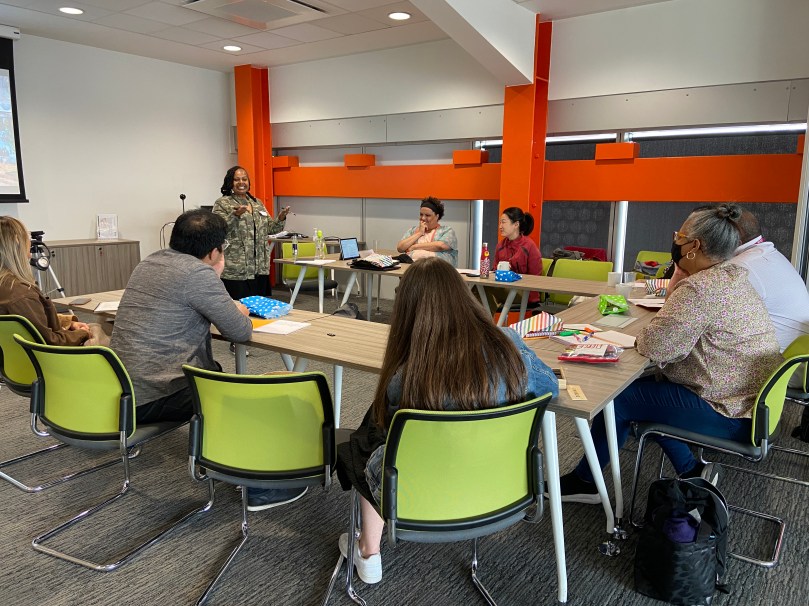
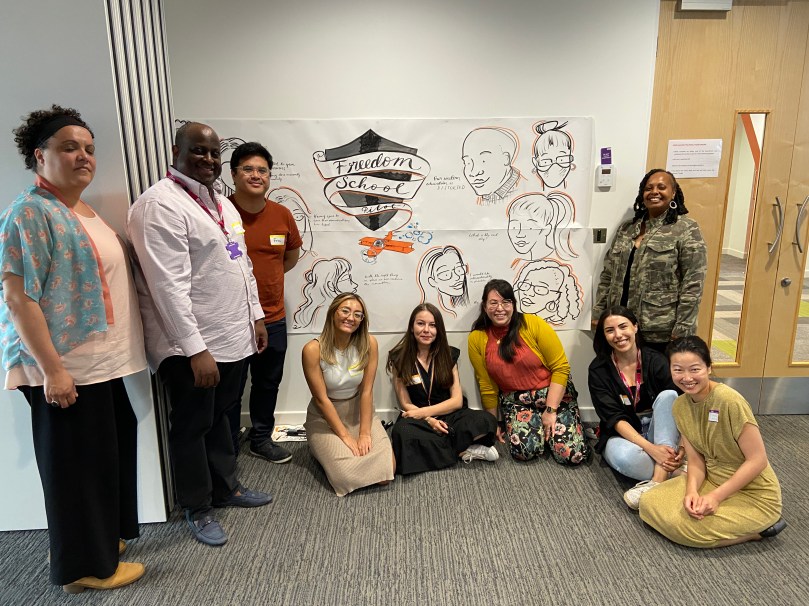
We complemented their insights by drawing on our wide range of previous experiences of anti-racist and radically inclusive higher education pedagogy. Through this, we demonstrated to the doctoral researcher attendees that academia does not have to be the isolating, competitive, stultifying place it can often seem, but can be a stimulating and vibrant space where time, thought and resources are given to empowering as well as educating all in the room. We documented our work in this recently published report and the images in the slideshow below. A promotional video capturing the creative and energising feel of the event is available here, and a news article on its success was published by the University.

The in-person events of last summer are soon to be capped off by a final virtual event next week in partnership with inclusive marketing specialist Joyann Boyce, entitled Freedom School Online: Build Your Reputation and Your Community. I am grateful for the support of Loughborough’s new EDI team and the culture of openness towards equity initiatives created in recent years at our institution. I look forward to delivering a session with Iman and Rhianna on the importance of building anti-racist academic community through creative methodologies, and highlighting some of the many projects and initiatives that continue to inspire me as an anti-racist feminist scholar-activist of entrepreneurship, technology and culture, and my ongoing journey towards intellectual, creative and spiritual freedom.
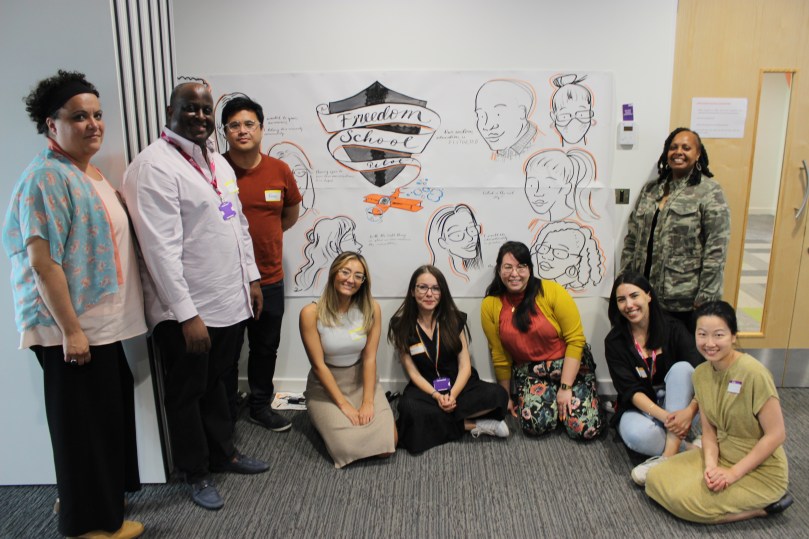
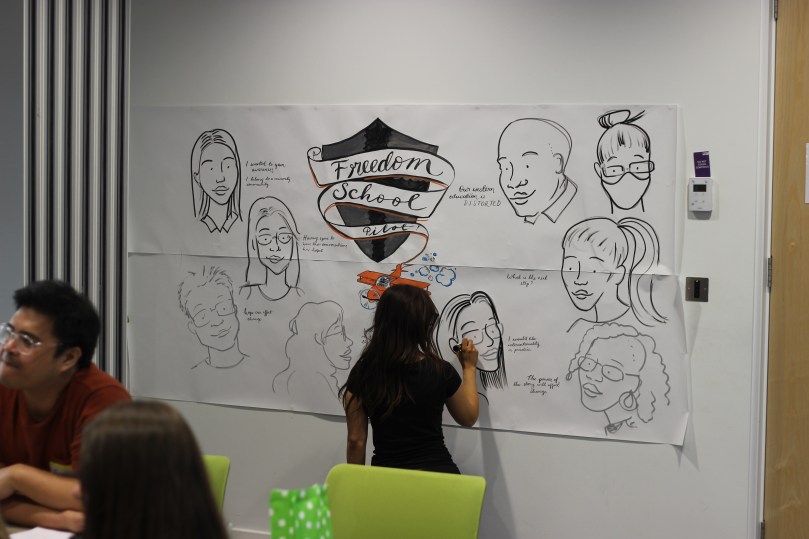
LU Freedom School Pilot – 28 and 31 July, 2022. Photos: Thomas Higgins

Breaking Up with Burnout Culture: Why I Am Taking Leave

TL;DR: I am taking a period of compassionate leave, enabled by University policy, with permission and support. This is because I have been designing and building EDI infrastructure at Loughborough University for the past 2+ years, on top of my day job as an academic, which has negatively affected my well-being. See you in October!

From mid-August to end of September 2022 I will be taking a period of extended leave from work. This leave is approved by line management under the terms of the compassionate leave policy for race-based trauma that I proposed and saw through to policy change at the University where I work, Loughborough University in the United Kingdom. During the height of the 2020 international Movement for Black Lives, I listened to innumerable Black scholars, mostly women and femmes, speak about how exhausted they were from having to pretend in professional settings, and especially with white colleagues, that ‘everything was fine.’ They explained how challenging it was to carry on with work as normal when, in the midst of a global pandemic, there was a revolutionary anti-racist movement taking place in the streets of nearly every major city around the world. I am grateful to the Black and mixed heritage Black scholars who hosted the online gathering that got us to slow down to reflect and connect, and to the senior leaders who took my proposal seriously and enabled the development of the new policy, the formalisation of which I advocated for in the year following and which has since been extended to apply to all protected characteristics. The text of the policy is available here.

I am an intersectional feminist researcher of digital entrepreneurship. Since the socio-cultural rupture of 2020, when the COVID19 pandemic and the Movement for Black Lives collided in what author Arundhati Roy has characterised as a portal, I have been invited to the table to advance the equity, diversity, and inclusion agenda at Loughborough University. To this task, I brought a lifetime of learnings in how to establish a fairer, more equal and less oppressive society to the Loughborough University community: from my youthful training in anti-racism and poetic and entrepreneurial apprenticeship in community building and art as activism, to my undergraduate liberal arts education enabling me to take ethnic and women’s studies classes as part of my double major in Mathematics and Creative Writing, to the affective pedagogy and embodied knowledge of how to create an anti-racist learning and working environment gleaned from my time as a member of the Building the Anti-Racist Classroom Collective.

I have put this extensive knowledge base and specialist expertise to great use at Loughborough University, first as an invited Chair of the Data and Surveys Working Group of the Race Equality Charter, for which we recently earned the Bronze Award. I conceptualised, co-organised and co-hosted the inaugural Race Equity Town Hall in October 2021, at which we charted the University’s progress in its race equity journey, launched two BAME student leadership groups I collaboratively designed, and shared the outcomes of the Race Equality Charter application with the university and local community. In response to the REC work, I recognised the need for an overarching strategic framework to guide the extensive list of REC actions, and thus proposed and designed the LU Race Equity Strategy (LURES). To ensure I was acknowledged for this work, I advocated to be formally known as its Strategic Architect, a strategic leadership role and a Grade 9 position that I occupy (Feb-Aug 2022) at .2FTE. In this capacity, I successfully bid for and steer the spend of a substantial and recurring budget to progress race equity related activities.

With the LURES on the table, I then realised that there was not yet an appropriate forum at LU to govern such a strategy; thus, I envisioned, proposed and steered the creation of the University’s first central governance structures for EDI: the EDI Subcommittee and the EDI Advisory Forum, a two-way communication channel between the EDI Subcommittee and the rest of the university that enables the committee to itself be demonstratively inclusive. At my suggestion, the Subcommittee is comprised of at least 50% BAME and 50% women – not a quota, but an aim. I have co-chaired the Advisory Forum in its first year, and recruited an excellent co-chair; together we brought together 130 members of staff from across the university to join and participate. Prompted by Forum members, we also conducted meaningful outreach activities for staff on Grades 1-5 who tend to have less organisational visibility and power. The Forum is now firmly established as a platform for the continuous learning on EDI issues that characterises good EDI practice, and has enabled the direct address of senior leaders including the VC, Chair of EDI Subcommittee, and Director of HR to the University’s EDI community at large. I proposed and collaboratively advanced the first policy paper establishing the strategic importance and recognition of including EDI work in staff workload and objectives, proposed and drafted initial job descriptions for two roles through which individuals have joined our growing central EDI team, and contributed to the recruitment of the University’s first Pro-Vice Chancellor for EDI.

As a member of the Black, Asian and Minority Ethnic (BAME) Staff Network, I have also held a variety of leadership roles though which I have initiated and led a range of activity to ameliorate the racial inequalities raised by the Network and evidenced through the Race Equality Charter process. As Advocacy Lead, in addition to the compassionate leave policy, I led the creation of a set of Race Equity Guiding Principles to facilitate good practice and harm reduction in race equity work, advocated for a recurring budget for BAME-specific counselling services, established the Collective Anti-Racist Efforts (CARE) project through which I have designed and led collective approaches to challenging institutional racism, such as the BAME Staff Network Advocacy Group and CARE x Citizens UK Anti-Racist Leadership Training and Listening Campaign (2021-22). I contributed to the Gender Project Management Board Promotions Working Group set up in response to the equalities issues brought to light by the UCU industrial dispute. During the long, locked down COVID19 winter of 2020-21, I proposed and organised a monthly guided online movement class for Network members to support our well-being, which was so positively received we carried on into 2022.

As Student Liaison, I initiated the BAME Student Council and Doctoral Consortium, recruited an attendant Advisory Team, and proposed and delivered the pilot and design of the first LU Freedom School in June-July 2022 in collaboration with Ladders4Action, recruiting and managing BAME doctoral research interns to enable meaningful paid development opportunities. As Interim Co-Chair, I initiated and hosted the first Network career development session, recruited a set of School-level Network leads and a new co-Chair, and proposed and coordinated a Community Leadership Award and financial bonus for 20 Network members with more than 10 years’ of service. I now look after the website and contribute EDI-related input, advice, proposals and training to the university’s leadership team, Vice Chancellor’s Office, Human Resources and Organisational Development, Marketing and Advancement, Student Services, Enhanced Academic Practice, Access and Participation Subcommittee, Legal Team, Security, Doctoral College and Loughborough Students’ Union, as well as my own and other Schools. As a result, I have won the Loughborough Academic Award for EDI Champion, and been named by the MAIA Network as an Inspirational Woman two years in a row (2021-22 & 2022-23).

All of the work I have described is in addition to my day job as an entrepreneurship researcher and educator, which have their own separate sets of objectives and requirements. At the same time, these intrapreneurial projects, while fulfilling, have required of me the intense investment of energy, attention and nurturing required of any good thing being born. It is also true that activism, with EDI and social justice work perhaps epitomising this, is the kind of job that is never done. In addressing even a single situation of injustice, you tend to uncover causal chains; following them requires increasing amounts of effort, investigation, and advocacy, as well as the development of collaborative solutions that often lie in the challenging realm of ‘doing something we have never done before’, experimenting with ways to achieve policy, practice and cultural change. Moreover, visibility as an EDI leader brings a range of people who have had negative experiences with discrimination or exclusion to your (virtual) door, so the number of people sharing stories of their or others’ suffering and harm, usually seeking your help to address it, multiplies with every exposure, causing stress and taking a significant emotional, mental and even physical toll.

As a human in the robot-obsessed 21st century, it is no wonder that my life has been punctuated with the episodic burnout that is characteristic of our contemporary, always-on society. Yet, this time, I can clearly trace it to the cumulative trauma associated with the past two years of anti-racist and EDI leadership at Loughborough, which are rooted in my identity as a woman of colour who has responded to invitations to advocate for those like me, and through this gained the trust of Loughborough students and staff alike as someone who strives to make our working and learning conditions less harmful and more equitable. This trust is precious and I hope to honour it by filling my cup first so I can continue to do this work in the future. EDI and anti-racism work at the University itself was never in my job description; I do not do it out of passion, as a life purpose or special interest. Instead, it is better framed as a vocation, a commitment, a service to my community.

I have done none of this by myself and am thankful for all the support, encouragement, collaboration and expressions of appreciation from friends, staff and students across the institution as well as external partners. I am truly heartened about what we have been able to achieve at Loughborough, EDI efforts that have never been seen before at our institution, and in many cases the sector. Nonetheless, the work has left me exhausted, and there is still a long way to go, so rest is required. Inspired by radical self-care ideology and rest as resistance practices, I am taking this period of compassionate leave in light of all I have given to the University. I know that my commitments to my work and my community are exemplary. I am breaking up with burnout culture in order to demonstrate that same level of commitment to myself.

Resources

  1. EDI at Loughborough: Creating a Compelling Vision for Organisational Change
  2. Race Equity Guiding Principles
  3. Dismantling Hostile Environments for PhD supervision (LU staff and students only)
  4. Race Equity Town Hall webpage and recording
  5. LU Race Equality Charter summary
  6. Learning from OneTech: Recommendations for Equality, Diversity, and Inclusion Initiatives in Tech and Start-Up